Choosing the right insulation is a crucial step in creating a comfortable, energy-efficient home. Whether you're a homeowner looking to slash your utility bills, a DIY enthusiast tackling a renovation, or a builder striving for LEED certification, understanding the world of energy-efficient insulation is key to success. This comprehensive guide will walk you through everything you need to know, from choosing the right materials to understanding installation techniques and maximizing cost savings.
Understanding Energy Efficient Insulation
Energy-efficient insulation significantly impacts a home's thermal performance by reducing heat transfer. This means keeping your home warm in winter and cool in summer, leading to substantial energy savings and increased comfort. Key factors to consider include the insulation material's R-value, which measures its resistance to heat flow; higher R-values indicate better insulation. Understanding the thermal resistance of different materials is crucial for making informed decisions about your home's insulation needs. Selecting the appropriate insulation materials, considering factors such as the climate, building structure, and budget, is paramount for optimal energy efficiency.
Types of Energy Efficient Insulation
Home Insulation
Insulating your home effectively involves targeting key areas: the attic, walls, and basement. Attic insulation is often the most accessible and impactful, reducing heat loss through the roof. Wall insulation can be installed during new construction or retrofitted in existing homes, while basement insulation helps prevent heat loss through the foundation. Each area presents unique challenges and opportunities for improving thermal performance and energy efficiency. Proper air sealing and draft stopping are crucial components of effective home insulation, significantly minimizing energy waste and enhancing home comfort.

Popular Insulation Materials
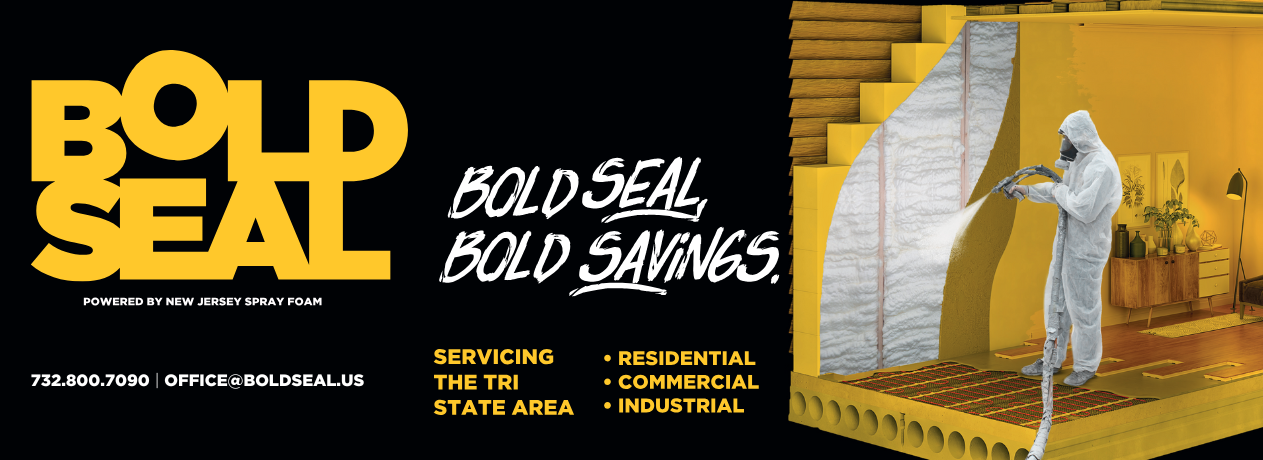
Several popular insulation materials offer varying levels of thermal performance, cost-effectiveness, and environmental impact. Fiberglass insulation is a common choice known for its affordability and ease of installation. Cellulose insulation, made from recycled paper, provides excellent thermal performance and is environmentally friendly. Spray foam insulation offers superior air sealing and high R-values but can be more expensive. Mineral wool, derived from rock or slag, is another effective and sustainable option. Selecting the best insulation material depends on factors such as budget, environmental concerns, and the specific application.
Reflective Insulation and Radiant Barriers
Reflective insulation, often used in conjunction with other insulation types, works by reflecting radiant heat. Radiant barriers, typically foil-faced materials, are placed in attics or wall cavities to reduce heat transfer. https://monmouth-county-nj-08753-n-j-2-1-8.theglensecret.com/master-your-home-s-climate-choosing-the-right-insulation-in-2025 This type of insulation is particularly effective in hot climates, reducing cooling loads and energy consumption. While reflective insulation doesn't replace traditional insulation, it can significantly improve overall energy efficiency by reducing radiant heat flow.
Benefits of Energy Efficient Insulation
Investing in energy-efficient insulation offers a multitude of benefits extending beyond simple energy saving. The resulting cost savings can be substantial, leading to a quick return on investment (ROI) through lower utility bills. Improved indoor air quality is another significant benefit, as proper insulation helps prevent moisture buildup and mold growth. Enhanced comfort is also a key advantage, leading to a more consistent and pleasant indoor temperature year-round. Energy-efficient insulation leads to a more sustainable home, reducing your environmental impact and creating a more responsible living space.
Insulation Installation Techniques
Proper insulation installation is crucial for maximizing its effectiveness. Air sealing is a key step, sealing gaps and cracks to prevent air leakage. Draft stopping involves blocking air infiltration through walls, windows, and doors. Weatherstripping and caulk are effective tools for air sealing. Understanding these techniques is vital for homeowners and contractors alike to ensure that the insulation performs at peak efficiency. This minimizes heat loss in winter and heat gain in summer, leading to significant cost savings over time. Consult professional installers when needed for more complex installations or larger projects.
Insulation Costs and Savings
The cost of insulation varies depending on the material, R-value, and quantity needed. An energy audit can help assess your home's insulation needs and provide accurate cost estimates. While the upfront cost of insulation installation might seem significant, it is often quickly recouped through reduced utility bills. Analyzing your potential savings over the lifespan of the insulation helps demonstrate the long-term value of this investment. Consider your budget and the potential energy savings to decide on the best option for your home.
Sustainable and Eco-Friendly Insulation Options
Many sustainable and eco-friendly insulation options are available, aligning with green building practices and promoting environmental responsibility. Cellulose insulation, made from recycled paper, and mineral wool, derived from natural materials, are excellent choices. These materials reduce the environmental impact associated with building materials, making them an attractive option for environmentally conscious homeowners. Choosing sustainable insulation contributes to creating a greener home, reducing your carbon footprint, and promoting a more sustainable lifestyle.
Common Mistakes and How to Avoid Them
Avoiding common mistakes during insulation installation is essential to maximizing its effectiveness. Thermal bridging occurs when heat flows through materials with lower R-values, negating the effect of insulation. Proper moisture control prevents mold and mildew growth, while ensuring adequate ventilation prevents condensation buildup. Careful planning and execution are crucial for preventing these issues and ensuring the long-term effectiveness and efficiency of your insulation. Consulting professionals can help you avoid these pitfalls and achieve optimal results.
Energy Efficient Insulation and Building Codes
Building codes often mandate minimum insulation levels for new constructions, reflecting the importance of energy efficiency in modern building practices. These regulations ensure that new homes meet certain standards of thermal performance, contributing to reduced energy consumption and environmental impact. Staying informed about current building codes and regulations ensures compliance during new constructions or renovations. Staying updated on these codes is vital for contractors and homeowners to ensure optimal energy efficiency and building compliance.
The Role of Insulation in Green Homes
Energy-efficient insulation plays a vital role in achieving green home standards. Homes designed for energy efficiency often incorporate high-performance insulation to minimize energy consumption. Many green building certifications, such as Energy Star, recognize the importance of effective insulation in achieving sustainability goals. By incorporating high-quality insulation, homeowners contribute to creating a more sustainable and environmentally friendly home, reducing their ecological footprint and leading to lower energy bills.
Frequently Asked Questions
- What is the R-value and why is it important? The R-value measures a material's resistance to heat flow. A higher R-value indicates better insulation. How do I choose the right type of insulation for my home? Consider your climate, budget, and the specific area being insulated. Consult a professional for guidance. What are the signs that my insulation needs replacing? High energy bills, uneven temperatures, and drafts are potential indicators. Can I install insulation myself, or should I hire a professional? Simple projects may be DIY-friendly, but complex installations often require professional expertise. What is the average cost of different types of insulation? Costs vary widely based on material, R-value, and labor. Obtain multiple quotes before committing.
In conclusion, investing in energy-efficient insulation is a smart decision for any homeowner or builder. From reducing utility bills and increasing comfort to improving indoor air quality and promoting sustainability, the benefits are numerous. By understanding the different types of insulation, installation techniques, and potential cost savings, you can make informed decisions to create a more energy-efficient and comfortable living space. Start your energy-saving journey today!